
 Español
 Français
Blogs how to easy mark or etch
8 Reasons Global Manufacturers Use Electrochemical Marking Instead of Traditional Methods
Jun
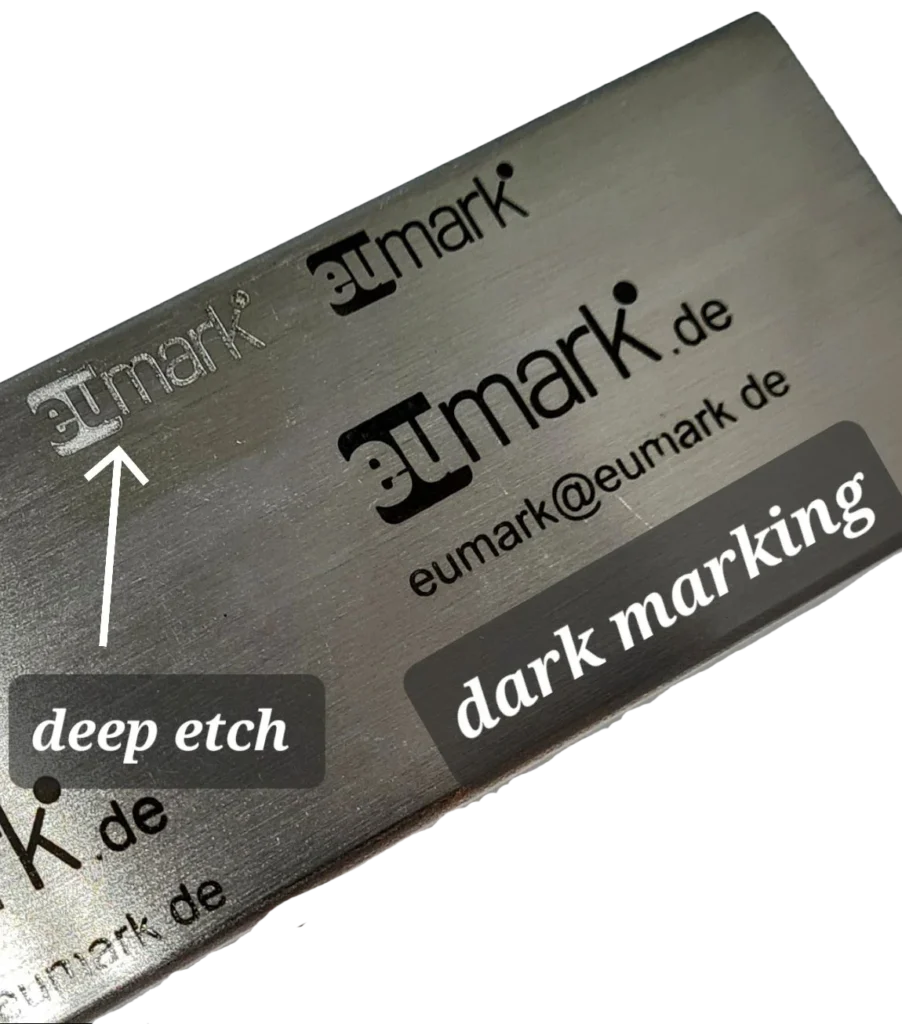
Electrochemical marking isn’t new — the technology has been used in industrial environments since the mid-20th century. What has changed is how accessible and refined the equipment has become. Today, EuMark systems are used by small workshops and multinational manufacturers alike, for one straightforward reason: they solve marking problems that other methods create.
Here are eight reasons why electrochemical marking is the preferred solution for metal identification across global industries.
- No Heat, No Distortion
Laser engraving and mechanical stamping both introduce energy into the metal surface — heat in the case of laser, mechanical stress in the case of stamping. On precision components, hardened parts, or thin-section materials, this energy can cause microstructural changes, surface distortion, or cracking.
Electrochemical marking is a cold process. The current is low and the reaction is localized to the surface layer. Hardened steel, annealed aluminum, and thin-wall tubing can all be marked without any effect on the underlying material properties.
- Permanent, Readable Marks
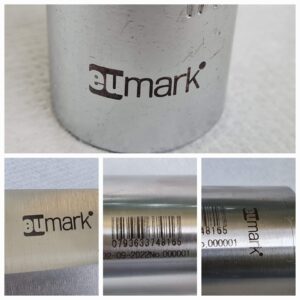
The oxide layer created by electrochemical marking is part of the metal, not applied on top of it. Unlike paint marking, ink stamps, or adhesive labels, the mark cannot peel, chip, or wash off. Under normal industrial conditions, an electrochemical mark made today will be readable decades later.
- Works on Any Conductive Metal
Carbon steel, stainless steel, titanium, aluminum alloys, copper, brass, nickel alloys — electrochemical marking works on any electrically conductive metal without adjustment to the device. The electrolyte formulation changes depending on the metal type; the process and technique remain the same.
- Fully Portable
A complete EuMark marking set fits in a carry case the size of a laptop bag. It runs on standard household voltage. It can be taken to any location — a construction site, a client’s facility, a delivery dock — and used immediately without any setup or calibration.
- No Specialist Training Required
The entire electrochemical marking process can be explained in five minutes. Position the stencil, moisten the pad with electrolyte, press against the surface, hold for a few seconds, lift the pad. New operators achieve production-quality marks within minutes of first contact with the equipment.
- Cost-Effective at Any Scale
Whether you’re marking ten parts a day or ten thousand, the cost per mark with an EuMark system is low. The device itself requires no maintenance beyond normal cleaning. The consumables — electrolyte fluid and stencil tape — are inexpensive relative to the output they enable.
- Meets Traceability and Compliance Standards
Permanent part marking is required by quality standards in aerospace (AS9100), medical devices (ISO 13485), and automotive (IATF 16949) manufacturing. Electrochemical marks meet the permanence and legibility requirements of these standards. Many EuMark customers use the system specifically to comply with customer or regulatory marking requirements.
- Suitable for Food-Contact and Medical Applications
When the correct electrolyte formulation is used, electrochemical marking leaves no residue that would be problematic on food-contact surfaces or medical instruments. This makes it one of the few marking methods appropriate for use on stainless steel surgical tools, food processing equipment, and pharmaceutical manufacturing components.